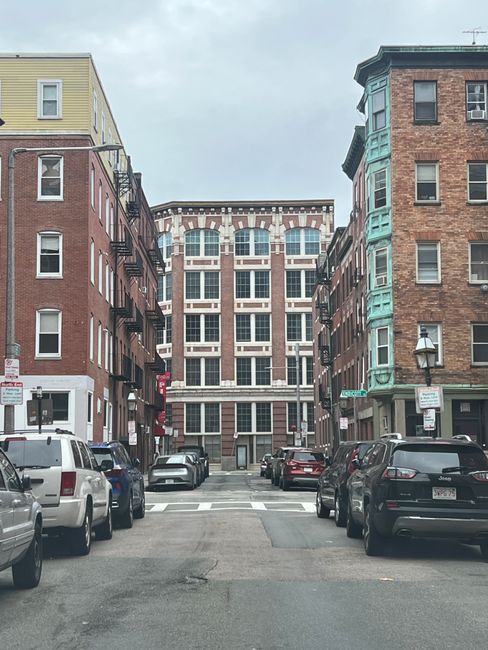
Avoid parking suspension fines on North End moving days
Posted on 12/07/2026

Avoid parking suspension fines on North End moving days: a practical local guide
Moving day is busy enough without a yellow sign turning up and ruining the plan. If you want to avoid parking suspension fines on North End moving days, the trick is simple in principle but a bit fiddly in practice: check restrictions early, plan where the van will stop, and leave yourself more margin than you think you need. In North End, that matters because loading space can be tight, streets can be busy, and a "quick" move can become a costly one if the vehicle is left in the wrong place for even a short while.
This guide walks through the local issues people miss, what suspension notices usually mean in plain English, and the steps that make move day calmer. We'll also cover a few real-world quirks, because let's face it, moving a sofa at 8:15 in the morning with one eye on the road and the other on the parking sign is not anyone's idea of fun.
Why Avoid parking suspension fines on North End moving days Matters
Parking fines on moving day are not just annoying. They can throw off the whole move. A suspension fine may mean you need to pay on the spot, deal with a notice later, or waste time moving the vehicle somewhere else while the crew stands around with boxes in hand. None of that helps when the clock is already ticking.
In North End, the issue is especially relevant because local streets often have a mix of resident bays, loading areas, single yellow restrictions, and temporary suspensions for works, access, or special events. If you assume "it'll probably be fine," that's when the little disaster creeps in. The van stops, someone nips upstairs, and by the time the first wardrobe comes down the road is no longer your friend.
There's another layer too: moving day stress makes small mistakes more likely. You may be juggling keys, children, cleaners, deposit handovers, and a van arrival time that can shift by 20 minutes in either direction. A parking suspension fine can feel unfair, but the main goal here is to avoid giving the parking rules a chance to bite you.
Expert summary: Treat parking as part of the move plan, not an afterthought. The best results come from checking restrictions early, confirming your loading spot, and building in a backup plan if the first choice is taken.
If you're still at the planning stage, it can help to read broader move-prep advice such as keeping the whole move calm and manageable and using a North End removals checklist so parking, packing, and timing all sit in one plan rather than three separate ones.
How Avoid parking suspension fines on North End moving days Works
The basic idea is to make sure the vehicle is allowed to stop where it needs to stop, for the exact time it needs to be there. That sounds obvious, yet this is where many people get caught out. A bay may look available, but a temporary suspension notice can make it off-limits. A loading area might be usable only for a short period. A single yellow line may allow stopping for loading, but not parking. The details matter.
For a moving day, the usual moving parts are:
- Where the van will wait while items are carried out
- How long loading will take, including stairs and awkward corners
- Whether the spot is affected by suspension or time-limited restrictions
- Whether the building access adds delays like buzzers, lifts, or shared entrances
- What the backup option is if the first space is already taken
The key thing is timing. A space that is legal at 9:00 may not be legal at 10:00. If a temporary suspension starts mid-move, a fine can follow even if you only left the van there "for a minute." That's why a lot of experienced movers check signs twice: once the day before, and again on the morning itself. It's a small habit, but a very useful one.
For local planning, pages like whether you need a council permit for loading and hidden fees in removals pricing are worth a look if you want the bigger picture. Parking problems often sit alongside permit questions and extra charges, so it helps to think about them together.
Key Benefits and Practical Advantages
When you get the parking right, everything else tends to flow better. Not magically, mind you, but noticeably. The van is closer to the door, carrying distances are shorter, and people are not constantly walking back and forth with a chest of drawers over one shoulder and a bad mood on the other.
- Fewer fines and penalties - the obvious one, but still the biggie.
- Faster loading - which reduces labour time and general faff.
- Lower risk of damage - fewer long carries means fewer chances to knock walls, doors, or furniture.
- Less stress for everyone - including neighbours who do not want a van blocking the whole street.
- Better control of the schedule - especially useful if you have a handover time or a tight entry slot.
There's also a quality-of-move benefit people overlook. A well-positioned van can make the day feel organised, and that changes how the crew works. Nobody likes improvising around a parking problem halfway through lifting a mattress. It's the sort of thing that turns a straightforward job into a longer, more tiring one.
If you're moving larger items, you may also find it useful to read about transporting a bed and mattress safely and storing a sofa properly, because large furniture often determines where the van needs to stop in the first place.
Who This Is For and When It Makes Sense
This guide is for anyone moving in North End who will use a van, a car with a trailer, or a hired removals vehicle. In practice, that includes homeowners, renters, students, landlords coordinating a handover, and small businesses shifting equipment.
It makes the most sense if you are:
- moving from a flat with limited roadside access
- using a shared street with resident bays or loading restrictions
- expecting a same-day turnaround
- handling bulky items like wardrobes, sofas, white goods, or office furniture
- working with a removal team who needs a predictable parking spot
Some moves are simple. A ground-floor property on a quiet road with a clear curb line? Lovely. But even then, you still want to check for temporary suspensions. North End roads can be busier than they look on a weekday morning, and a space that looked empty yesterday might be taken or restricted today.
For flat moves, in particular, it helps to read flat-move parking hacks near North End Station and access tips for seafront flats. Those situations can be a bit fiddly, and parking usually decides how easy the rest of the day feels.
Step-by-Step Guidance
Here is the cleanest way to plan a moving-day parking setup without overcomplicating it.
- Check the street where the van will stop. Look at the actual kerbside near the property, not just the general area. Parking rules can change block by block.
- Identify all signs. Read resident permit signs, loading restrictions, yellow lines, bay markings, and any temporary suspension notices.
- Note the times. A restriction might not matter at one hour and then become an issue later. Write the times down. Seriously, write them down.
- Allow for loading time. If the move includes stairs, narrow hallways, or dismantling furniture, the stop may need to be longer than you first think.
- Plan a backup spot. Have a second legal place ready in case the first is occupied.
- Keep proof of any permission or permit. If you have been told a bay is okay for loading, keep the message, permit reference, or written confirmation handy.
- Brief everyone involved. If someone is arriving in a separate car, make sure they know where not to park. A well-meaning helper can accidentally create a problem.
- Check again on the morning. Conditions change. Works appear. Signs get added. It is annoying, yes, but checking twice is cheaper than a fine.
If you are planning around a route with awkward access, it also pays to look at route tips for St Mary's Estate to Market Square and safe tactics for narrow alley moves on Elm Grove. Parking and route planning are joined at the hip, in a way.
Expert Tips for Better Results
These are the small habits that tend to make the biggest difference.
Arrive earlier than feels necessary. Ten minutes can be the difference between finding a workable loading space and circling the street while everyone gets grumpy. To be fair, arriving early is never glamorous, but it works.
Use one person as the parking spot watcher. On a busy moving day, it helps if one person is responsible for keeping an eye on restrictions, signs, and whether the van is still properly aligned. A second pair of eyes can save a lot of trouble.
Keep the van close, but legal. Some people stretch the rules because they want to be nearer the door. Not worth it. If you need an extra 30 seconds of carrying time, take that over a ticket any day.
Pre-pack small items first. This shortens the time the van needs to stay in place. If you are still packing early in the morning, take a look at packing essentials for a successful house move and packing and boxes in North End so the move starts with the right materials.
Break down furniture before move day where possible. Flat-pack items, bed frames, and large wardrobes often create longer loading times than people expect. That can turn a legal stop into a borderline one. If you are dealing with especially awkward items, see solo heavy lifting tips and piano moving advice beyond DIY.
Keep a calm tone with neighbours. A polite word goes a long way, especially if the street is tight. If you are seen as organised and considerate, people are usually more cooperative. Funny how that works.
Common Mistakes to Avoid
Most parking fines on moving days come from a small number of avoidable mistakes. The pattern is pretty familiar.
- Assuming a bay is usable because it is empty. Empty does not mean unrestricted.
- Ignoring temporary suspension signs. These are easy to miss when you are carrying boxes and thinking about keys.
- Relying on memory instead of checking the sign again. Parking rules can change, and your memory may be in moving-day mode.
- Leaving the van while you "just nip in." That quick trip often becomes the exact moment a warden appears. It is almost comic, if it were not so annoying.
- Not allowing enough loading time. Underestimating stairs, lifts, and awkward furniture is common.
- Forgetting the second vehicle. Family cars, helper cars, and visitor parking can create extra pressure on the road space.
- Blocking access for neighbours or emergency vehicles. Aside from being poor form, it can create more serious issues than a fine.
If you are moving a lot of bulky pieces, it is worth reviewing bulky waste disposal tips for sofas and fridges as well. Sometimes the best way to reduce parking pressure is simply to move less stuff.
Tools, Resources and Recommendations
You do not need a complicated toolkit to get this right. A simple, practical setup is usually enough.
- Printed notes or screenshots of any parking permissions, loading instructions, or messages from the building manager
- Phone alarms for arrival, loading window, and key handover timing
- Tape measure for awkward furniture and van sizing
- Basic trolley or sack barrow for heavier boxes and appliances
- Labels and marker pens so the move is quicker once items reach the van
- Parking plan written on paper because phones get dropped, battery dies, and moving day has a way of making simple things messy
If you are still deciding how much help you want, these local service pages are useful for comparing the kind of support available: man with a van in North End, man and van North End, house removals in North End, and office removals in North End. The parking plan may be different for each, depending on vehicle size and loading time.
For storage overflow, especially if you need to clear space before moving day, storage in North End can be a useful pressure valve. And if you are trying to keep the move affordable, take a look at pricing and quotes so you can see how parking-related delays might affect the overall plan.
Law, Compliance, Standards, or Best Practice
This is one of those areas where the exact rules depend on the street, the bay, and the time. In the UK, parking and loading restrictions are normally signposted, and temporary suspensions should be clearly marked. The safest approach is to treat every sign as active until you have confirmed otherwise. If a space is marked for suspension, do not assume loading gives you a free pass unless the signage or local permission clearly allows it.
Good practice usually means:
- checking the relevant street signs before the move
- keeping any written permission or booking confirmation available
- not blocking access routes, dropped kerbs, or crossings
- ensuring the vehicle is only stationary for as long as necessary
- respecting neighbour access and building rules
From a safety point of view, this matters too. A rushed parking decision can lead to unsafe lifting, longer carries, and awkward manoeuvring in traffic. That is why many removal teams treat parking as part of health and safety, not just admin. If you want a sense of how a provider approaches that side of the job, the health and safety policy and insurance and safety pages are useful background reading.
Best practice is not about being perfect. It is about being prepared enough that nothing has to be improvised in the last five minutes.
Options, Methods, or Comparison Table
There are a few different ways to handle parking on a North End moving day. Some are fine for very simple moves; others are safer when the street is tight or the timing is delicate.
| Method | Best for | Pros | Trade-offs |
|---|---|---|---|
| Street-side loading with sign checks | Shorter moves with straightforward access | Fast, simple, low cost | Depends heavily on timing and sign accuracy |
| Pre-arranged loading permission | Managed buildings or repeat movers | Clearer expectations, fewer surprises | Needs confirmation in advance |
| Use of a backup parking spot | Busy roads or uncertain availability | Reduces risk if the first space is taken | May increase carrying distance |
| Smaller vehicle / shuttle-style loading | Narrow streets and restricted access | More flexible, easier to position | May require more trips |
For many people, the best method is a mix: confirm the ideal space, keep a second option ready, and be prepared to adjust. That approach is especially sensible if you are using a removal van in North End or looking at removals in North End more generally. Bigger vans need a little more room, but they also reward good planning.
Case Study or Real-World Example
A typical North End moving day might look like this. A couple is leaving a first-floor flat on a street with mixed parking restrictions. They assume they can park near the entrance because there is "usually a space." On the morning of the move, the nearest bay is already occupied, and a temporary suspension sign has appeared two doors down. If they had parked there, they would almost certainly have risked a fine.
Instead, they arrive early, check the entire stretch of road, and use a legal loading spot just a bit further away. It adds a few minutes of carrying, but the van stays compliant and the move keeps going. No ticket, no panic, no awkward conversation with a warden while somebody is sweating under a wardrobe.
What made the difference was not luck. It was the backup plan. The couple also had smaller boxes labelled properly, which shortened loading time. And because they had already read a few planning notes, including local route advice and access guidance, they were not making decisions under pressure. That is usually the line between a tolerable moving day and a miserable one.
Practical Checklist
Use this checklist the day before and again on the morning of the move.
- Check the exact street and kerbside where the van will stop
- Read every sign for bays, loading, yellow lines, and suspensions
- Confirm any permit, booking, or written permission
- Set a realistic loading window with buffer time
- Choose a backup parking spot
- Tell everyone where the van is allowed to park
- Prepare trolleys, straps, labels, and boxes before arrival
- Keep keys, contact numbers, and handover details ready
- Re-check restrictions before unloading the first item
- Stay near the vehicle when possible
Quick takeaway: If you can explain your parking plan in one minute, you are probably on the right track. If it sounds vague, it probably needs tightening up.
Conclusion
Avoiding parking suspension fines on North End moving days is mostly about preparation, not panic. Check the signs, respect the times, have a backup, and make sure the loading plan matches the street reality. That little bit of discipline can save money, reduce stress, and keep the whole day moving in the right direction.
The nice thing is that once you do it properly once, it gets easier next time. You start noticing the signs earlier, thinking about loading space sooner, and building the move around the parking instead of fighting against it. That is a much better place to be.
And if you are trying to keep the rest of the move just as smooth, a little extra planning goes a long way. One careful step at a time, and the day feels far less heavy than it first did.
Get a free quote today and see how much you can save.