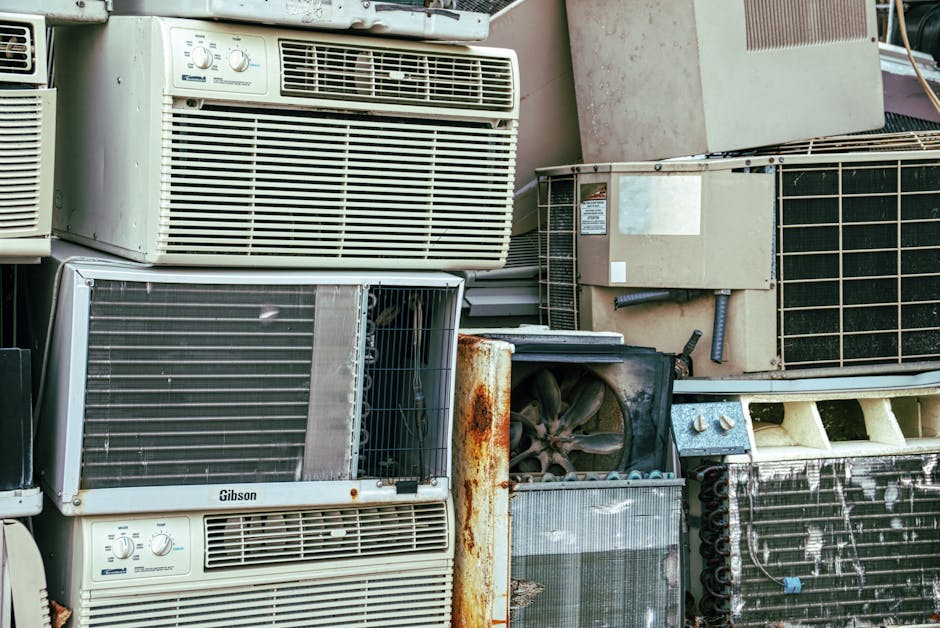
Bulky waste in North End: sofa, fridge & disposal tips
Posted on 18/06/2026
Bulky waste in North End: sofa, fridge & disposal tips
If you have a battered sofa blocking the hallway, a fridge that has finally given up, or a few other awkward items waiting in the corner, you are not alone. Bulky waste in North End: sofa, fridge & disposal tips is one of those jobs that looks simple at first and then suddenly becomes a whole afternoon of lifting, planning, and second-guessing. Do you try to move it yourself? Hire help? Break it down? Store it for a bit? There are a few sensible ways through it, and the best choice depends on the item, access, timing, and how much hassle you want to avoid.
This guide walks through the practical side of bulky waste removal in North End, with clear advice for sofas, fridges, and other large household items. You will get a step-by-step plan, common mistakes to avoid, a useful comparison table, and a realistic look at when a removal service makes more sense than DIY. And yes, we will keep it plain English. No faff.
Why bulky waste in North End matters
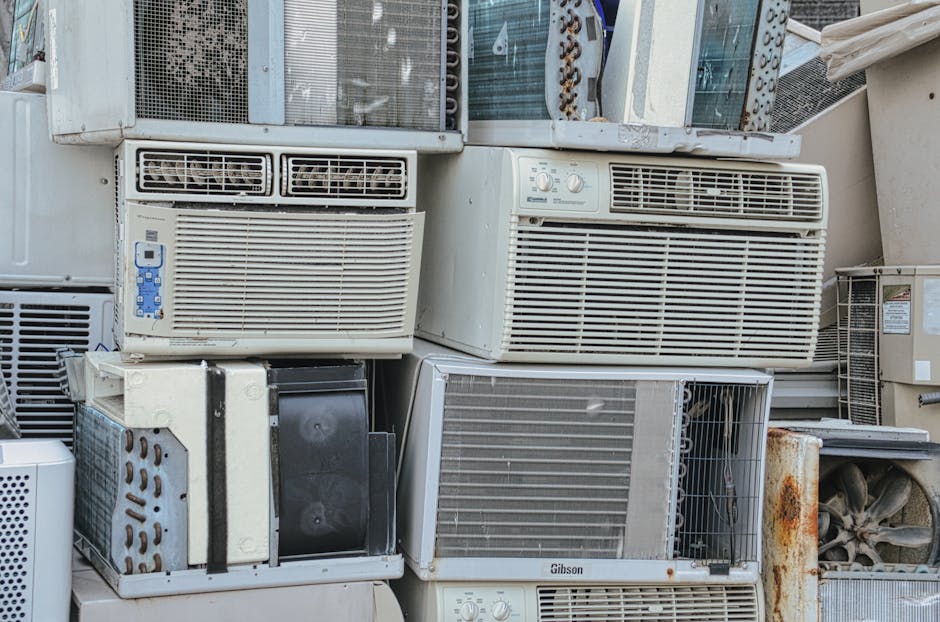
Large household items are not just inconvenient; they can be awkward, heavy, and expensive to handle badly. A sofa takes up space, absorbs smells, and can stop you using a room properly. A fridge is even more fiddly because it can be heavy, contain residual water or ice, and needs careful handling if you want to avoid damage to floors, walls, and your back. Truth be told, most people only notice how difficult bulky waste is once they are already standing next to it with the doorframe in the way.
In a busy area like North End, this matters for a few practical reasons. Space is often tight, parking can be awkward, and stairwells or narrow hallways can make a simple move feel like a puzzle. If you are decluttering, moving out, upgrading furniture, or clearing a rented property, sorting bulky waste early saves stress later. It also helps you avoid rushed decisions, which is where people tend to damage items, leave mess behind, or underestimate the work involved.
There is also the sustainability side. Large items are not always destined for the skip. Some can be reused, repaired, donated, or dismantled for easier recycling. A good plan usually starts with checking whether the item still has life left in it. If it does, that opens up more options. If not, the goal is safe and responsible disposal with as little disruption as possible.
How bulky waste in North End: sofa, fridge & disposal tips works
At a practical level, bulky waste disposal follows a fairly simple sequence: identify the item, decide whether it can be reused or broken down, arrange the right removal method, and make sure the collection or drop-off is safe. The details change depending on the item. A sofa is usually all about size, fabric, and access. A fridge adds handling and refrigeration concerns. A mattress, wardrobe, or washing machine brings its own quirks too, but the principle is the same.
For sofas, check whether the frame can be dismantled, whether cushions should be removed, and whether the item will fit through the exit when turned carefully. For fridges, empty and defrost it first, then dry it thoroughly. That sounds obvious, but a lot of people forget and end up with water pooling on the floor or unpleasant smells hanging around for days. I have seen that happen in the nicest of houses, and it never helps.
In many real-world situations, people combine disposal with moving or storage. For example, if you are clearing a flat and do not yet know what will fit in the new place, a temporary storage option can be the breathing space you need. If that sounds familiar, you may find it useful to look at storage in North End alongside your disposal plan.
A removal team can help in a few different ways: lifting, carrying, loading, transporting, and coordinating the awkward bits of access. That is especially useful when the sofa is upstairs or the fridge needs to come down a tight stairwell. If the job is part of a bigger move, a service like removals in North End can make the whole process feel less like a battle and more like a plan.
Key benefits and practical advantages
Done properly, bulky waste removal gives you more than just an empty room. It creates momentum. One large item out the door often makes the rest of the decluttering feel easier. A room stops feeling stuck. You can clean, measure, repaint, or move on with the rest of your day. Small win, but a real one.
Here are the main advantages:
- More usable space: the room becomes functional again.
- Less physical strain: fewer risky lifts and awkward carries.
- Cleaner handover: useful if you are ending a tenancy or selling a property.
- Better timing: one visit can clear multiple items at once.
- Safer handling: reduced risk of injury or damage to walls, floors, and doors.
- Greener choices: easier to separate reusable items from true waste.
There is also the mental side of it. Let's face it, a broken fridge in the corner has a way of quietly draining your patience every time you walk past it. Getting it gone can feel oddly freeing. That is why many people pair bulky waste disposal with decluttering before a move. If that is your situation, the advice in this declutter-before-moving guide fits neatly with this topic.
Who this is for and when it makes sense
This is not just for people doing a full house clearance. In fact, bulky waste in North End comes up in everyday situations more often than most people expect.
- Home movers who are replacing old furniture before the move.
- Renters who need to clear items quickly at the end of a tenancy.
- Landlords and agents dealing with abandoned or left-behind items.
- Students downsizing from a furnished room or flat.
- Families upgrading sofas, fridges, or other household essentials.
- Small businesses clearing reception furniture, office seating, or appliances.
If you are in a flat with narrow stairs, shared entrances, or limited parking, the whole job becomes more sensitive. In those cases, it may be smarter to book a service that is used to local access challenges. A good starting point is flat removals in North End, especially if the bulky item has to pass through tight communal spaces. And if timing is tight, you may want to consider same-day removals in North End rather than leaving the job hanging over the weekend.
Step-by-step guidance
If you want a clean, low-stress result, follow this order. It sounds simple, but the order matters more than people think.
- Identify the item and its condition. Is the sofa reusable? Is the fridge working? If an item is still in decent shape, donation or resale may be worth considering before disposal.
- Measure access. Check doorways, stair turns, lift size, hallway width, and any outdoor obstacles. A tape measure and five minutes can save a lot of swearing later.
- Decide on the disposal route. Your options may include reuse, recycling, specialist collection, man and van assistance, or a broader removal service.
- Prepare the item. Remove cushions, drawers, shelves, cables, loose parts, and personal items. For fridges, empty food, unplug safely, defrost, and dry.
- Clear a route. Move shoes, mats, fragile objects, and anything else that might catch on corners or wheels.
- Protect the property. Use blankets, cardboard, or edge protection where needed. A scrape on a painted wall is annoying; on a narrow stairwell it is even more annoying.
- Lift and load safely. Do not twist under load. Use team lifts for heavier items. If the item is too awkward, stop and rethink rather than forcing it.
- Confirm where it is going. Make sure the item is headed for the right destination, whether that is reuse, storage, recycling, or disposal.
A simple sofa example: remove detachable legs, vacuum under the frame, wrap loose fabric, and carry the item with two people if possible. A fridge example: empty it the day before, switch it off early enough to defrost, and secure the door once dry so it does not swing open mid-move. Not glamorous, but very effective.
For more about handling upholstered items carefully, you might also find it helpful to read expert advice on storing a sofa properly. If the sofa is going into storage rather than straight out the door, that extra step matters.
Expert tips for better results
Here are the small details that make a big difference. The stuff people forget, usually until the item is already half way down the hall.
- Break the job into pieces. One item at a time is calmer than trying to clear the whole room at once.
- Take the doors off where appropriate. For some fridges and tight routes, that little bit of extra room can make the move much easier.
- Keep fasteners in labelled bags. If you are dismantling a sofa or cupboard, a tiny bag of screws saves unnecessary confusion later.
- Photograph the item before disassembly. It helps if you want to reassemble or prove condition for resale or donation.
- Plan for weight distribution in the vehicle. Heavier items should be secured so they do not shift during transport.
- Use the quiet times of day where possible. Early morning or mid-afternoon can be easier for parking and building access than the peak rush.
One practical note: if lifting is involved and you are on your own, be honest about your limits. There is no prize for pretending to be invincible. If you want to improve technique before a heavy carry, the guidance in solo heavy lifting tips is a sensible companion read. It is not about showing off. It is about not hurting your back for a sofa that was already on its last legs.
If a bulky item is part of a bigger move, the calmer your plan, the better the day feels. That is something we also see in advice for a calmer house move. The principle is the same: less panic, fewer surprises, better outcomes.
Common mistakes to avoid
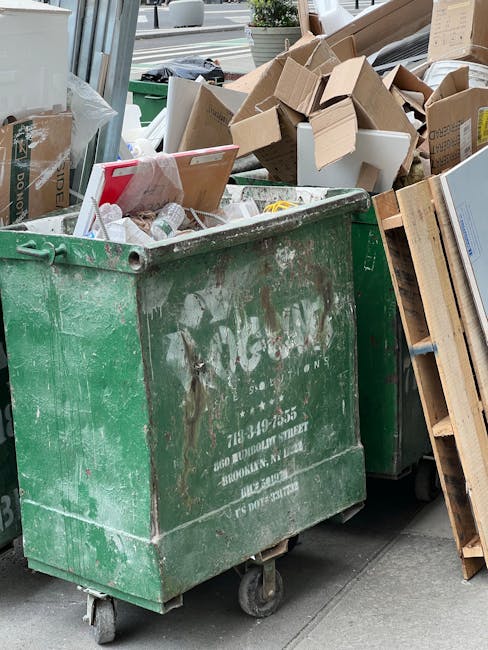
Most bulky waste problems are caused by rushing. Not a lack of effort, just a lack of planning. Easy to do, to be fair.
- Leaving the fridge plugged in too late. A wet or frosty appliance is harder to handle and may leak on the way out.
- Forgetting access constraints. A sofa that fits in the lounge may still get stuck on a stair bend.
- Guessing the weight. Old furniture can be heavier than it looks, especially waterlogged or solid-wood items.
- Not checking if the item can be reused. Some items can be repurposed or passed on rather than thrown away immediately.
- Mixing waste with reusable items. This makes sorting harder and often wastes good material.
- Trying to do everything alone. That is how little jobs become expensive problems.
Another easy one to miss: not preparing for the property afterwards. Once the item is gone, you may find dust, grease marks, or a damp patch under a fridge. If the aim is a presentable room or a property handover, a quick clean is worth the effort. For that kind of finishing touch, this house-cleaning guide for new owners is a useful follow-on.
Tools, resources and recommendations
You do not need a van full of specialist gear for every bulky item, but a few tools make the work safer and smoother.
- Measuring tape for doorways, hallways, and item dimensions.
- Work gloves for grip and hand protection.
- Blankets or furniture wraps to protect corners and surfaces.
- Ratchet straps or strong tie-downs to keep items secure during transport.
- Plastic tubs or labelled bags for screws, shelves, and small fittings.
- Spanner or screwdriver set for dismantling removable parts.
- Floor protection such as cardboard or dust sheets where a heavy item needs to be shifted.
On the service side, it helps to compare what each option actually does for you. A dedicated furniture removal service in North End is especially useful if the sofa or wardrobe still needs careful handling and loading. A broader removal services option can suit mixed loads, such as a fridge, a sofa, and a few extra bits from a decluttering job. If you are arranging packing at the same time, a look at packing and boxes in North End can help you keep the move organised rather than chaotic.
For those balancing a bigger change, you might also want to keep man and van support in North End in mind. It is often a sensible middle ground when the job is too much for a car boot but not quite a full house move.
Law, compliance, standards and best practice
For bulky waste, the main thing is to dispose of items responsibly and make sure they do not end up fly-tipped or handled by anyone operating outside normal waste and transport expectations. In the UK, the common-sense rule is simple: choose a legitimate route, keep a record if needed, and avoid handing items to unknown operators who cannot explain where the waste goes. That is especially true for large domestic items, white goods, and mixed loads.
Best practice usually includes the following:
- checking whether the item can be reused before it is treated as waste;
- ensuring fridges and freezers are emptied and defrosted safely;
- avoiding unsafe lifting and blocked escape routes;
- using appropriate transport so items do not break loose in transit;
- keeping customer property protected during removal;
- following company safety procedures when staff are involved.
If you are booking help, it is sensible to look for clear policies around safety, handling, and service terms. These do not sound exciting, but they matter. Pages like health and safety policy, insurance and safety, and recycling and sustainability are the kind of trust signals that suggest a company takes the work seriously. That is reassuring when you are trusting someone with a heavy appliance near your stairs.
It is also worth understanding what is included before you agree to any collection. Clear expectations around access, lifting, transport, and disposal reduce the risk of awkward surprises. If terms matter to you, the company's terms and conditions should be part of the decision, not an afterthought.
Options, methods, or comparison table
There is no single best method for every bulky item. The right choice depends on condition, urgency, access, and how much labour you want to avoid.
| Method | Best for | Pros | Watch-outs |
|---|---|---|---|
| DIY disposal | Small number of items, easy access, strong help available | Flexible timing, lower direct cost | Physical strain, vehicle limits, risk of damage |
| Reuse or donation | Items in decent condition | More sustainable, potentially helpful to others | Not suitable for broken or unhygienic items |
| Specialist removal service | Large furniture, white goods, awkward access | Safer handling, faster completion, less stress | Needs scheduling and clear instructions |
| Full removal support | Bulky waste as part of a larger move or clearance | Good for mixed loads, coordinated approach | May be more than you need for one item |
In practical terms, a sofa with a damaged frame may be best handled as waste, while a decent settee could be moved carefully and perhaps stored or reused. A fridge that still runs well might be worth passing on, but only if it has been cleaned and is safe to move. If you are storing it rather than disposing of it, the advice in this freezer storage guide is relevant too. Similar rules apply: clean, dry, and prepare before it sits unused.
Case study or real-world example
Imagine a typical North End flat move. The tenant has a three-seat sofa in the living room, an older fridge in the kitchen, and a few smaller items that have slowly accumulated over time. The lift is small, the stairwell is narrow, and parking outside is not generous. A classic little headache.
Rather than trying to handle everything in one go, they split the job into stages. First, the fridge is emptied and defrosted the night before. Then the sofa is measured against the hallway and doorframe, and its legs are removed to reduce the risk of snagging. Loose items are bagged up. The route to the front door is cleared, and floor protection is laid down. Once that is done, the removal team can work methodically instead of improvising in the stairwell.
The result is simple: fewer knocks to walls, less chance of a strained back, and a faster departure from the property. The resident does not need to spend the whole morning wrestling with awkward furniture, and the flat is ready to clean properly afterwards. Not dramatic. Just organised, which is usually what people want in the end.
That same idea shows up in route planning too. If your collection or move involves tricky local access, it helps to think ahead about parking and timing. For a few practical North End references, see the North End Road moving checklist, route tips for St Mary's Estate to Market Square, and flat move stair and parking hacks near North End Station. Those kinds of details are often where the day is won or lost.
Practical checklist
Use this before you move, lift, or arrange disposal for a bulky item. It keeps things tidy and reduces last-minute panic.
- Measure the sofa, fridge, and all access points.
- Check whether the item can be reused, sold, or donated.
- Defrost and dry fridges or freezers before moving.
- Remove cushions, shelves, legs, drawers, and loose parts.
- Bag screws and fittings in a labelled container.
- Clear the route from the item to the exit.
- Protect floors, corners, and walls.
- Confirm who is carrying, loading, and transporting the item.
- Secure the item in the vehicle so it cannot shift.
- Plan the clean-up after the item is gone.
If you are dealing with more than one large item, it may be worth combining the job with a broader move. In that case, a service like house removals in North End can be a more practical fit than trying to patch together several one-off solutions. And for students moving out of compact rooms, student removals in North End can be a better match for smaller but still awkward loads.
Get the access right, and most of the stress disappears.
Conclusion
Bulky waste in North End: sofa, fridge & disposal tips really comes down to planning, safe handling, and choosing the right route for each item. A sofa may be a lifting problem. A fridge may be a preparation problem. A full room of unwanted bits? That is a coordination problem. The good news is that all three become manageable when you measure first, prepare properly, and decide whether DIY or professional help is the smarter move.
If you are clearing space before a move, upgrading your home, or just tired of living around a clunky old item, do not leave it until the last minute. The task gets heavier in your mind the longer it sits there. Deal with it early, and the rest of the day feels lighter. And that is usually the point, isn't it?
Get a free quote today and see how much you can save.
Sometimes the best move is the simplest one: clear the space, protect the property, and give yourself a clean start.