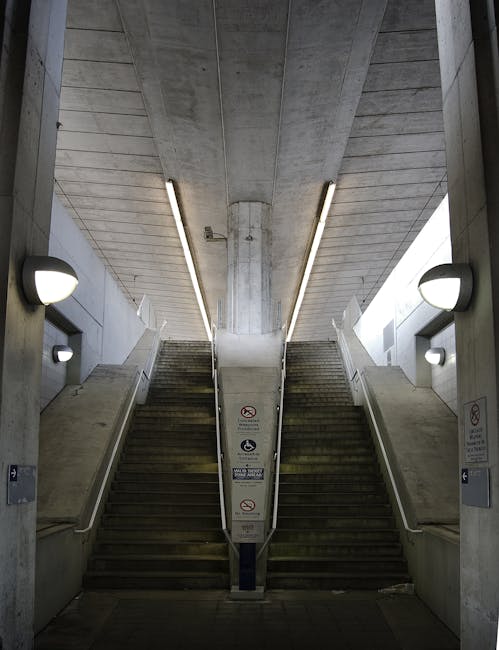
Flat moves near North End Station: stair & parking hacks
Posted on 22/05/2026
Flat moves near North End Station: stair & parking hacks
Moving into or out of a flat near North End Station can feel straightforward on paper, then suddenly the stairs look longer, the kerb space disappears, and the lift decides to have a day off. If that sounds familiar, you're in the right place. This guide to Flat moves near North End Station: stair & parking hacks is built for the real world: tight access, awkward corners, limited parking, and all the little details that can turn a normal move into a stressful one.
We'll cover how to plan for stair access, how to handle parking without panic, what to do with bulky furniture, and which local-moving habits actually save time. You'll also find practical checklists, a comparison table, and a few insider-style tips that help the day feel less like a scramble and more like a controlled operation. Not glamorous, admittedly. But effective.
Why Flat moves near North End Station: stair & parking hacks Matters
Flat moves around North End Station often come with a specific set of headaches: narrow streets, limited curb access, shared entrances, stair-only buildings, and busy periods where every available parking spot seems to vanish the second you spot it. That's why stair and parking planning isn't a small detail. It's the difference between a move that flows and one that drags on for hours.
When access is awkward, every decision has a knock-on effect. If the van parks too far away, lifting becomes harder. If the stairwell is tight, large items may need to be turned, tilted, or carried piece by piece. If you arrive without a realistic loading plan, you can burn time just carrying boxes up and down the same flights. And yes, that gets old fast.
For people moving in or out of flats, especially students, renters, first-time buyers, or anyone in a building with no lift, these access problems are not minor. They affect safety, timing, and cost. A little planning can make the day calmer, cleaner, and far less physical than it would otherwise be. If you're also trying to minimise stress across the whole process, the advice in this guide to a calm and untroubled house move is a useful companion read.
Practical takeaway: near-station flat moves tend to succeed or fail on access planning more than packing skill. That's the bit many people underestimate.
How Flat moves near North End Station: stair & parking hacks Works
The process is simple in principle: reduce friction before moving day. In practice, that means checking the building layout, deciding where the van can stop, planning the order of loading, and preparing the items most likely to cause trouble on stairs.
A good flat move usually follows this rhythm:
- Assess access early. Measure doorways, stair widths, landings, and any awkward bends.
- Plan parking realistically. Don't assume the closest spot will be available. Work out a fallback position too.
- Break the move into carry-friendly loads. Smaller loads reduce fatigue and accidents.
- Protect the property. Hallways, stair edges, and bannisters are the usual trouble spots.
- Move the biggest items first or last. Either can work, but the key is to decide deliberately rather than in the moment.
The stair hack side of things is mostly about physics and patience. Shorter carries, better grip, and better route planning. The parking hack side is mostly about timing and communication. If you can park closer, you cut the number of trips. If you can't, you compensate with trolleys, team coordination, and a sensible loading order.
Truth be told, the move itself often goes smoothly once the access puzzle has been solved. It's the bit before lifting that matters most.
Key Benefits and Practical Advantages
There's a reason experienced movers put so much focus on access. It saves energy, reduces risk, and improves the whole pace of the day. For a flat move near North End Station, the advantages are especially clear.
- Less physical strain: a well-planned stair route means fewer awkward twists and fewer heavy carries.
- Faster loading and unloading: when the van position is right, you spend more time moving items and less time walking back and forth.
- Lower damage risk: furniture is less likely to get knocked on stairwells, corners, or banisters.
- Better neighbour relations: shorter loading times and quieter handling are a polite win in shared buildings.
- Less moving-day stress: a sensible plan reduces the frantic "where do we put this?" feeling.
There's also a practical money angle. If a move runs more smoothly, you may reduce the time needed from your crew or your van hire window. That doesn't mean every well-planned move is cheap, but it does mean you're not paying for avoidable chaos. And nobody wants to fund chaos. Nobody.
If you're moving larger items too, the advice in furniture removals in North End can help you think through handling and protection for bulkier pieces.
Who This Is For and When It Makes Sense
This approach is useful for almost anyone relocating to or from a flat near the station, but it becomes especially important in a few common situations.
- People in upper-floor flats: especially if there's no lift or the lift is too small for larger items.
- Students moving between lets: often with time pressure, shared entrances, and lots of boxes.
- Couples or families in compact flats: where the hallway seems to shrink the moment you start carrying furniture.
- Anyone with awkward furniture: sofas, wardrobes, bed bases, mattresses, pianos, or oversized desks.
- Last-minute movers: when you don't have the luxury of choosing the quietest parking window.
It also makes sense if you're moving during busier periods, such as a weekday morning near commuter traffic or at a time when local parking is tight. A tiny delay at the start can snowball into a miserable afternoon. If you've ever carried a double mattress up a narrow staircase while trying not to hit the wall, you already know what I mean.
For student-specific situations, student removals in North End can be a helpful route if your move is more compact but still time-sensitive.
Step-by-Step Guidance
Here's the practical version. This is the part to read before you start lifting, because once the van is outside, you'll want decisions to be already made.
1. Check the access route before moving day
Walk the route from the front door to the van position. Notice stairs, turns, low ceilings, tight lobbies, and anything you might miss in a hurry. If there's a service lift or shared lift, check whether it's likely to be available and whether it's practical for your items.
2. Measure the awkward items
Measure the longest and widest pieces first. Sofas, beds, wardrobes, mirrors, and flat-pack frames tend to create surprises. A few measurements can save a lot of swearing later. Not always, but often enough.
3. Decide the parking plan in advance
Near a station, parking can be the make-or-break issue. Plan a primary spot and a fallback spot. Think about how far you're willing to carry items, whether the van can safely wait, and whether you need someone outside to watch for space changes.
4. Pack by carry order, not just by room
When you're dealing with stairs, the best packing order is the one that helps lifting. Heavy, stable boxes go first or last depending on your route and team setup. Fragile items should be easy to spot and easy to hold. If you want a solid packing refresher, packing essentials for a successful house move is a good place to sharpen the basics.
5. Protect the building
Use blankets, corner guards, and door protection where needed. In a shared flat block, a small scuff on a wall can become a much bigger conversation than you want on moving day. Keep the route clear, wipe mud off shoes if it's wet, and move at a steady pace.
6. Load in a sensible sequence
Group items by weight and fragility. Put the most stable items in the van first, then stack carefully. Leave a clear path for the items you'll need at the end. It sounds basic because it is basic. But basic done well is what keeps the whole thing from wobbling apart.
7. Keep a small essentials bag separate
Keys, chargers, kettle bits, medication, snacks, documents, and a roll of tape should travel with you, not with the general load. Nobody enjoys hunting for a phone charger at 10:30 p.m. among forty identical boxes.
Expert Tips for Better Results
These are the little things that often make the biggest difference. They're not flashy, but they work.
Use the stairwell like a route, not an obstacle. Before lifting anything, picture the turns and landings. If a large item must pivot, rehearse the movement once with empty hands. That sounds obvious, but in a tight stairwell it saves a surprising amount of clumsy repositioning.
Reserve more time than you think you need. The first load almost always takes longer than expected because you're still working out the flow. After that, the pace usually improves. Leave breathing room.
Move one awkward item at a time. Trying to be efficient by carrying too much is how people clip walls, jam hands, or lose grip. Better to make one clean trip than two messy ones.
Communicate with neighbours if the entrance is shared. A quick polite heads-up can help if you expect temporary congestion. It's a small courtesy, and it often prevents tension.
Protect the floor before the boxes start arriving. A bit of cardboard, runners, or blankets can save scrubbing later. Especially useful if the weather is damp, which, to be fair, is not exactly rare.
Use the right moving help for the job. If you're handling a sofa, bed, or other bulky item, read more about storing your sofa like a pro and moving beds and mattresses safely. Those two items alone account for a lot of flat-move frustration.
Be honest about solo lifting. A box can look manageable until you're halfway up the stairs with a narrow turn ahead. If you're unsure, get help or use professional support. There's nothing heroic about a pulled shoulder.
For more on moving technique and safer handling, solo heavy lifting tips and kinetic lifting insights offer useful context, even if you're not looking to turn moving day into a fitness session. Which, let's face it, you probably are not.
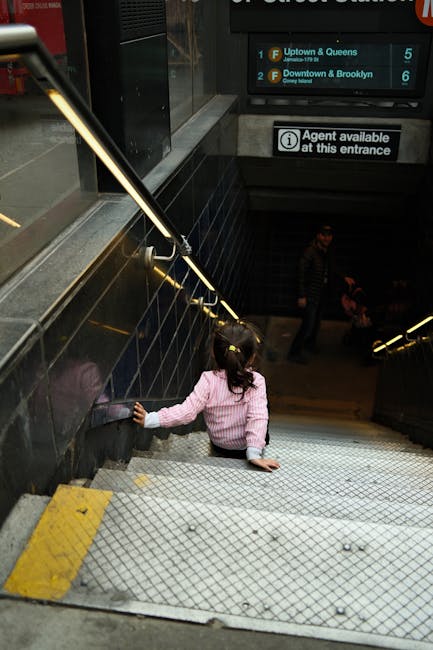
Common Mistakes to Avoid
Most moving problems are not dramatic disasters. They're usually just small avoidable decisions that stack up.
- Assuming parking will sort itself out: it rarely does, especially near transport links.
- Forgetting to check stair width: one measuring tape can prevent a very awkward sofa moment.
- Leaving fragile items loose in boxes: movement inside the box can do more damage than the stairs.
- Loading the van without a plan: this leads to endless reshuffling later.
- Overpacking boxes: heavy boxes become dangerous fast on stairs.
- Ignoring weather: rain, wet steps, and muddy shoes are all part of the reality here.
- Not protecting corners and bannisters: small scrapes can happen in seconds.
There's a quieter mistake too: underestimating how tiring repeated stair carries can be. After the third or fourth round, fatigue starts to change the way you move. That's when accidents creep in. So pace yourself. Really pace yourself.
Tools, Resources and Recommendations
You don't need a warehouse full of kit to move well, but a few basic tools make a huge difference in a flat move near North End Station.
| Tool / resource | Why it helps | Best used for |
|---|---|---|
| Furniture blankets | Protects furniture and walls from knocks | Sofas, wardrobes, tables, stair edges |
| Ratchet straps | Helps secure items in the van | Heavy boxes, appliances, stacked furniture |
| Hand truck or trolley | Reduces carrying strain where terrain allows | Ground-floor loading, heavier cartons |
| Door stops / corner protection | Keeps routes clear and reduces impact | Shared halls, narrow entrances |
| Labels and coloured tape | Speeds up sorting at both ends | Room-based packing and priority items |
For packing materials and box options, packing and boxes in North End is a sensible next stop. And if you need somewhere to temporarily keep furniture during staging, renovation, or delayed handover, storage in North End can be worth considering.
If you're comparing moving support more broadly, the services overview and man and van North End pages are useful for understanding what type of help fits your move. You can also look at removals in North End if you want a wider service picture.
Law, Compliance, Standards, and Best Practice
For a flat move, compliance is usually less about formal paperwork and more about behaving safely, responsibly, and in line with common UK moving expectations. That means protecting people, property, and public spaces as much as possible.
Good practice generally includes:
- Safe manual handling: avoid lifting beyond your ability, especially on stairs or while twisting.
- Risk awareness: wet steps, poor lighting, unstable loads, and tight corners all increase accident risk.
- Respect for shared areas: keep entrances clear where possible and minimise obstruction.
- Clear communication: with building managers, neighbours, and anyone helping on the day.
- Insurance awareness: check what is covered before the move, especially for high-value or fragile items.
If you're using a professional mover, it's sensible to review their policies on safety and handling. The pages on insurance and safety and health and safety policy are good examples of the kind of information to look for. It's not about ticking boxes for the sake of it. It's about knowing your belongings and your building are being treated with care.
For trust and service confidence, it can also help to check about us, terms and conditions, and payment and security. Boring pages? Maybe. Useful pages? Absolutely.
Options, Methods, or Comparison Table
If you're deciding how to tackle a flat move near North End Station, it helps to compare the common approaches honestly. One size rarely fits all.
| Method | Best for | Pros | Limitations |
|---|---|---|---|
| DIY with a small car | Very light loads, short distances | Low upfront cost, flexible timing | Poor for stairs, bulky furniture, and multiple trips |
| DIY with rented van | Medium-sized flat moves | More capacity, still relatively flexible | Parking pressure, loading fatigue, insurance considerations |
| Man and van support | Fast, practical flat moves | Helpful for lifting, better loading flow, local knowledge | Availability can vary, especially at busy times |
| Full removals service | Heavier, more complex, or higher-value moves | More hands, more structure, better for awkward access | Usually the most expensive option |
For many flat moves, the sweet spot is somewhere between DIY and full service. A lot depends on stairs, parking, item size, and how much time you can spare. If you're not sure which way to go, pricing and quotes can help you compare before you commit.
Case Study or Real-World Example
Imagine a second-floor flat near North End Station with no lift, a narrow staircase that turns sharply halfway up, and a van that can't sit directly outside for long. It's not unusual. It's the sort of setup people discover at 8 a.m. with a box cutter in one hand and mild regret in the other.
In that scenario, the winning move is usually:
- reserve the best possible parking position as early as practical;
- carry down the smaller, stackable boxes first to open up the hall;
- protect the stair edges and landings before furniture starts moving;
- take the sofa apart if possible, rather than forcing it through the stair bend;
- keep one person outside the building to monitor parking changes and guide loading.
That last point matters more than people think. A person watching outside can save a lot of time if the parking situation changes, especially near a station where turnover can be quick. In one typical move pattern, the van had to creep forward twice because of passing traffic and loading pressure. The crew adapted by keeping the heavier items staged just inside the doorway, which cut wasted trips. Nothing fancy. Just steady, sensible handling.
For particularly awkward items like a piano, the margin for error gets even smaller. If that's part of your move, the article on piano moving beyond DIY is well worth reading before anyone touches the keys. Literally.
Practical Checklist
Use this as a quick pre-move run-through. It's simple, but it catches a lot of the usual problems.
- Measure the largest furniture pieces and the tightest stair turns
- Check whether the building has a lift, service lift, or timed access restrictions
- Plan a primary parking spot and a fallback spot
- Confirm whether loading bay access or permits may be needed
- Prepare blankets, tape, straps, and a trolley if appropriate
- Label boxes by room and priority
- Pack an essentials bag for the first night
- Protect floors, bannisters, and door frames
- Tell neighbours or building management if the move may affect shared spaces
- Set aside cashless payment details, keys, and ID where needed
- Keep refreshments handy. Water matters more than people admit
- Check your insurance and the mover's terms before moving day
Quick reminder: if the move starts feeling too heavy, too tight, or too rushed, slow it down. A better tempo usually protects both the items and the people carrying them.
Conclusion
Flat moves near North End Station don't have to be chaotic. With the right stair and parking hacks, you can turn a tight, awkward move into a manageable one. The real trick is to plan for access, not just packing. Once you do that, everything tends to feel more controllable: the lifting, the loading, the timing, even the stress levels.
Start with the stair route. Then the parking. Then the heavy items. That order usually pays off. And if your move includes bulky furniture, delicate items, or a schedule that leaves little room for delay, getting help from a local moving team can make a proper difference.
Get a free quote today and see how much you can save.
Sometimes the calmest move is the one where you did the boring planning first. A bit of foresight, a bit of patience, and suddenly the day feels much less like a scramble. That's the goal, really.