North End Road moves: essential local removals checklist
Posted on 27/04/2026
North End Road Moves: Essential Local Removals Checklist
Moving on or around North End Road can be straightforward if you plan it properly, but local moves still have their own quirks. Narrow streets, limited loading space, busy traffic at the wrong moment, awkward staircases, and last-minute packing surprises can turn an ordinary relocation into a stressful day. That is exactly why a North End Road moves: essential local removals checklist is so useful: it keeps the move organised, reduces avoidable risk, and helps you stay in control from the first box to the final sweep.
Whether you are moving a flat, a family home, a student room, or a small office, the best results usually come from simple preparation rather than heroic effort on the day. In this guide, you will find a practical, local-first checklist covering planning, packing, access, safety, furniture handling, and the final handover. If you need support with a broader move, it is also worth browsing the full removals North End service page and the wider services overview to see how different move types are typically handled.
One small truth from experience: the move usually feels easier the moment you stop treating it as one giant job and start treating it as a sequence of smaller, manageable tasks. That is the approach this article follows.
Why North End Road moves: essential local removals checklist Matters
Local removals often look simple on paper. After all, you are not crossing the country. But that is exactly why people underestimate them. A shorter journey does not automatically mean fewer complications. It can actually mean more time pressure, because there is often a fixed handover window, parking constraints, and a need to turn the property around quickly.
North End Road moves tend to benefit from clear sequencing. You need to know what is leaving first, what needs dismantling, what stays with you during the day, and who is responsible for each step. Without a checklist, people tend to pack too late, label poorly, forget essential documents, or leave large items until the final hour. That is when expensive delays and avoidable stress appear.
This matters even more if you are working around shared entrances, flats, or limited vehicle access. In those cases, a move is not just about lifting boxes; it is about planning movement, timing, and coordination. If your property type is part of the challenge, the dedicated flat removals North End page is a useful reference, especially for stair access, compact hallways, and shared building logistics.
Expert summary: The best local move is rarely the fastest one to start. It is the one that is prepared early, packed clearly, and organised in the right order.
How North End Road moves: essential local removals checklist Works
The process is best thought of as four stages: assess, prepare, move, and settle. That sounds basic, but the value is in the detail.
1. Assess the property and access
Start by checking what the removal team or your helpers will actually face. Measure doorways where necessary, note stair turns, identify parking or loading points, and look for anything awkward such as narrow corners, low ceilings, or fragile fixtures. A sofa may fit the room but still fail at the staircase bend. That kind of surprise is very common, and very avoidable.
If you have heavier furniture, it pays to think ahead about handling and protection. A relevant read is furniture removals North End, which is useful for understanding how larger household items are generally moved safely.
2. Prepare the items by category
Not everything should be packed in the same way. Documents, kitchenware, clothing, valuables, electronics, plants, and bulky furniture all need different handling. Good packing is not about using the most tape; it is about using the right packing method for the item.
If you are still at the stage of gathering materials, the packing and boxes North End page is a sensible place to start. It helps reinforce the idea that the move begins before the van arrives, not during loading.
3. Move in a sensible order
Remove low-priority items first, then boxed items, then furniture, and finally essentials that you need right up to departure. If you are moving a bed, mattress, or similar bulky item, the strategy should be planned, not improvised. For a practical perspective on awkward bedroom items, see this guide to transporting beds and mattresses.
4. Settle and check everything at the end
Once you arrive, resist the temptation to dump everything in one room and deal with it later. A quick placement plan saves time and frustration. Put beds together first, set up the kitchen basics, and check that key boxes have arrived. This is especially helpful if you are moving into a flat where space is tight and every extra trip matters.
For a broader moving-day mindset, the article on keeping a house move calm and organised is worth reading alongside this checklist.
Key Benefits and Practical Advantages
A strong removals checklist is not about being fussy. It is about preventing predictable problems.
- Fewer forgotten items: Clear labelling and room-by-room packing reduce missing essentials.
- Better time control: You spend less time making decisions on moving day.
- Safer lifting: Planned handling lowers the chance of injury or damage.
- Less property damage: Protective materials and proper route planning protect floors, walls, and furniture.
- Lower stress: A visible plan gives you momentum when the day gets busy.
- Better use of professional help: If you hire support, they can work more efficiently when the property is organised.
There is also a subtle benefit people often overlook: good preparation makes a move feel smaller. Not easier in the abstract, but smaller in the mind. And that matters when you are juggling keys, paperwork, bins, boxes, and a phone that will not stop buzzing.
Who This Is For and When It Makes Sense
This checklist is useful for anyone moving within the North End Road area, but it is especially valuable if your situation is time-sensitive or space-limited.
It is a strong fit for:
- Tenants moving between flats or shared houses
- Homeowners relocating locally and needing a single-day turnaround
- Students moving with a small number of personal belongings
- People downsizing and deciding what to keep, store, or donate
- Small businesses handling an office or workspace move
- Anyone with bulky items such as sofas, beds, pianos, or appliances
If you are a student, you may also find the dedicated student removals North End page helpful, especially when the move involves fewer possessions but tighter deadlines and heavier reliance on careful packing.
This approach also makes sense if you need speed. For example, a same-day handover or a short gap between leaving one property and entering another leaves very little room for last-minute improvisation. In those cases, the same-day removals North End option can be a practical fit.
Step-by-Step Guidance
Here is the practical version: a move becomes manageable when each task has a place in the sequence.
Step 1: Confirm dates, access, and timings
Start with the basics. Confirm your move date, key collection time, lift access if relevant, and any parking arrangement. If you are using professional support, make sure the arrival window is realistic and that the team knows about stairs, tight turns, or restricted access in advance.
Step 2: Sort items before you pack
Do not pack clutter. Clear out anything you no longer use, then group what remains by room and purpose. A thoughtful declutter saves both money and effort. It also reduces the number of boxes, which is never a bad thing. For a deeper method, the guide on how to declutter before relocating fits neatly here.
Step 3: Gather packing materials early
Boxes, tape, labels, bubble wrap, furniture covers, and marker pens sound basic, but running out of them on moving day creates chaos. Buy or source more than you think you will need. Standard move-day optimism tends to end in a scramble for tape.
Step 4: Pack by room and priority
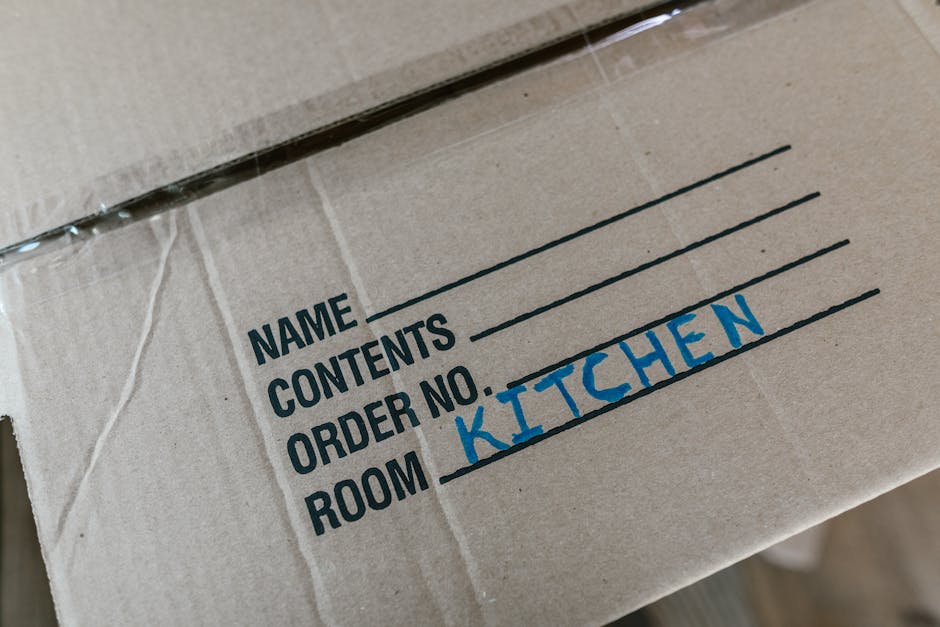
Keep one room at a time, then label boxes clearly on the top and at least one side. Mark fragile items, and separate essentials such as chargers, toiletries, documents, and basic kitchen supplies. You should know exactly where the kettle is before you need your first cup of tea.
The article packing essentials for a successful house move offers useful packing logic if you want a deeper structure for this stage.
Step 5: Prepare furniture properly
Dismantle what can safely be dismantled. Keep screws and fittings in labelled bags taped to the relevant item or grouped in a clearly marked container. Protect sofas, tables, and mattresses with covers or wrap. If you are storing or keeping upholstery in good condition, this sofa care advice on storing a sofa properly is worth a look.
Step 6: Create a moving-day essentials bag
This is one of the simplest and most valuable steps. Keep medication, keys, ID, phone charger, bottled water, snacks, documents, and a change of clothes in one bag that stays with you. People often remember the boxes and forget the basics. That is rarely a great trade.
Step 7: Protect floors and doorways
If you are moving through a property with delicate surfaces, lay down coverings or identify high-risk areas before anything is carried out. This is especially relevant for rented homes or professionally cleaned properties.
Step 8: Do a final sweep before leaving
Check cupboards, loft spaces, under beds, behind doors, and inside utility spaces. Confirm windows are shut, lights are off, and meters or appliance settings are left as agreed. If you are handing the property over, a clean finish matters too. The article about cleaning for the new owners is a good companion piece here.
Expert Tips for Better Results
These are the details that save time and reduce surprises.
- Pack an "open first" box: Include kettle, mugs, toilet paper, basic tools, phone chargers, and cleaning wipes.
- Use colour coding: Assign one colour per room to make unloading faster.
- Photograph cable setups: A quick phone photo before unplugging TVs, routers, or office equipment can save hours later.
- Keep heavy items small by weight: Big boxes are fine until they become too awkward to carry safely.
- Load by sequence, not by guesswork: Put the items you will need first near the back of the van or easiest access point, depending on your unloading plan.
- Think in zones: Keep sentimental items, essentials, and fragile pieces separate from general household clutter.
If you have a bulky or awkward item that should not be handled casually, it is better to plan around specialist support. For example, the guide to moving a piano safely shows why some items need more than goodwill and strong arms.
A calm move is rarely accidental. It comes from small decisions made early.

Common Mistakes to Avoid
Most moving mistakes are not dramatic. They are just inconvenient, and inconvenience gets expensive when time is tight.
Packing too late
Many people leave non-essential packing until the final evening. That is how labels get skipped, breakables get bundled badly, and essentials disappear into the wrong room.
Underestimating access problems
A van can be perfectly suitable and still arrive at a property with difficult parking or an awkward loading point. Check access early, not after everyone is already carrying furniture downstairs.
Using oversized boxes for heavy items
One giant box filled with books is a very fast way to create a backache. Smaller boxes are easier to carry and less likely to split.
Forgetting to protect furniture
Scratches, dents, and fabric marks often come from contact during movement rather than dramatic drops. Covers and wraps are cheap compared with replacement or repair.
Not separating essentials
If you cannot find the kettle, toiletries, chargers, or documents on the first night, the whole move feels more chaotic than it needs to.
Trying to lift beyond your limits
Some items are simply not sensible to move alone. If you are tempted to carry a large item by yourself, read these tips for solo heavy lifting first. Better still, ask for help before the item becomes an accident waiting to happen.
Tools, Resources and Recommendations
You do not need a warehouse of equipment to move well. You do need a sensible shortlist.
| Item | Why it helps | Best used for |
|---|---|---|
| Strong cardboard boxes | Organised, stackable packing | Books, clothes, kitchen items, general household goods |
| Packing tape | Reinforces box seams and closures | All packed boxes and protective wrapping |
| Labels and marker pens | Speeds up unloading and room placement | Room names, fragile items, priority boxes |
| Furniture blankets or covers | Helps prevent scuffs and marks | Sofas, tables, wardrobes, mattresses |
| Tool kit | Useful for dismantling and reassembly | Beds, shelves, curtain rails, flat-pack furniture |
| Zip bags | Keeps fittings and small parts together | Screws, brackets, remote controls, loose cables |
For people comparing support options, a look at man and van North End can help clarify whether a smaller-scale moving service is sufficient, while house removals North End is more appropriate for larger household moves. If you are moving a business, the dedicated office removals North End service is the better fit because work equipment and downtime need different planning.
For storage needs between properties, or if you are not ready to take everything on day one, the storage North End page is a practical next stop. Storage can be especially useful when completion dates do not align neatly, which happens more often than people expect.
Law, Compliance, Standards, or Best Practice
Not every move involves legal or regulatory complexity, but a few best-practice points matter in the real world.
If you are moving in a rental property, check your tenancy agreement and confirm what condition the property should be left in. Landlords and letting agents often expect the home to be returned clean, clear, and with all keys accounted for. That is not unusual; it is simply part of a tidy handover.
For any professional removals provider, it is sensible to look for clear information about safety, insurance, payment security, and complaint handling. These are practical trust signals, not box-ticking exercises. You can review relevant company information through the site's insurance and safety, payment and security, and complaints procedure pages. If you want broader reassurance about company standards, the health and safety policy and about us pages are also useful.
Environmental practice is another sensible consideration. Reuse packaging where possible, recycle what you no longer need, and avoid sending usable items to waste unnecessarily. The recycling and sustainability page is relevant if you want to move responsibly and keep disposal decisions sensible.
If you are comparing services or trying to understand pricing structure, the pricing and quotes page is a useful next step. Clear quotes help you compare like with like rather than guessing.
Options, Methods, or Comparison Table
There is no single right way to handle a North End Road move. The best choice depends on property size, timing, access, and how much you want to do yourself.
| Approach | Best for | Strengths | Watch-outs |
|---|---|---|---|
| DIY move | Very small moves with little furniture | Low direct cost, flexible timing | Heavy lifting, time pressure, higher risk of damage |
| Man and van | Flats, smaller homes, student moves, single-item transport | Efficient, practical, good for local distances | May still require you to pack and organise well |
| Full house removals | Larger households or more complex moves | More support, better for multiple rooms and bulky furniture | Usually needs earlier booking and clearer planning |
| Storage plus removal | Moves with timing gaps or decluttering needs | More flexibility, less pressure on moving day | Extra coordination required |
For many local moves, a practical middle ground works best. You handle the packing and decluttering, then use a professional service for transport and heavy lifting. If that sounds like your situation, the man with a van North End page is a good match for a lighter, more flexible move.
Case Study or Real-World Example
Consider a typical local flat move: one bedroom, a compact living area, a small kitchen, and a few awkward items such as a mattress, a chest of drawers, and a sofa. On paper, that sounds simple. In practice, the day can go sideways if the boxes are not labelled and the bulky furniture is left until the end.
A better approach would look like this. Two weeks before moving day, the resident declutters and separates items into keep, donate, recycle, and store. One week out, they gather boxes and finish room-by-room packing. The day before, they prepare an essentials bag, disassemble the bed, and protect the sofa. On moving day, the first items out are the boxed essentials and light furniture, while the heavier pieces are carried after access has been cleared. At the new property, the bed and kitchen box go in first, so the first night feels functional rather than improvised.
That kind of sequence may sound obvious, but it is the difference between a move that feels controlled and one that feels like a long game of catch-up. If you want a similar sense of order, the article on keeping the move calm and untroubled pairs well with this example.
Practical Checklist
Use this as your quick reference in the final days before the move.
- Confirm moving date, access, and parking arrangements
- Check stair access, door widths, lifts, and any restrictions
- Declutter before packing so you do not move unnecessary items
- Collect boxes, tape, labels, wraps, and markers early
- Pack room by room and label boxes clearly
- Create an essentials bag for documents, chargers, toiletries, and snacks
- Dismantle furniture where sensible and keep fittings together
- Protect sofas, mattresses, tables, and delicate surfaces
- Keep valuables and important paperwork with you
- Do a final sweep of cupboards, lofts, and storage areas
- Leave the property clean and return all keys as agreed
- Check that the most important items are easy to access on arrival
If you are working through this checklist and still feel under pressure, that is usually the point where professional support earns its keep. Local removals are much easier when the plan is already half done.
Conclusion
North End Road moves do not need to be overwhelming. The real secret is not speed; it is structure. When you plan access early, pack by category, protect furniture properly, and keep essentials close at hand, the move becomes far more manageable. A good checklist turns a potentially chaotic day into a sequence of clear steps, and that is exactly what most people need.
Whether you are handling a flat move, a family relocation, or a smaller local job, the same logic applies: prepare well, move in the right order, and leave enough headroom for the unexpected. That is how you avoid the classic moving-day scramble.
Get a free quote today and see how much you can save.
If you are ready to compare service options or want help matching the right level of support to your move, start with the main removal services North End page and build from there.